Is Your Site Ready for AI Agents?
10 August 2026 AI
Is Your Site Ready for AI Agents? What eCommerce Brands Need to Know About Google’s Lighthouse 13.3 Update
Google’s recent I/O announcements confirm what we’ve been anticipating: search is evolving fast and AI agents are becoming a major referral channel and the brands that optimise today will have the advantage when they arrive.
May 7, 2026, Google quietly shipped Lighthouse 13.3. And so we built a way to automate an audit for this new, agentic era of search, proactively identifying and monitoring these changes so your site stays well-positioned as AI-driven discovery matures.
One area the audit tests for is how accessible your site is to automated systems. These are elements that AI agents and crawlers aren’t interpreting as clearly as they could be. They’re invisible to human visitors, but they affect how AI systems understand and navigate your site.
A simple example: a button labelled “Submit” rather than “Contact us.” A person knows what it does from context, but an AI agent reads it literally and can’t tell what the button is for. It’s a programmatic signal and something we are actively thinking about for all our clients to pave the way ahead.
The Lighthouse update is still very new.
What’s Changed (And Why It Matters)
Google Lighthouse 13.3 introduced a new Agentic Browsing category that audits how well your website works with AI agents.
Think of it like Google’s way of saying: This is how we’re going to evaluate your site when AI agents start using it to recommend products.
AI shopping assistants, whether they’re ChatGPT plug-ins, Claude’s browsing mode, or native shopping agents will soon be a real source of traffic. If your site fails the agentic browsing checks, AI agents won’t be able to navigate, read, or recommend your products effectively.
What Google’s Agentic Browsing Audit Actually Checks
The agentic browsing category runs several checks to see how AI agents can interact with your website, including whether the website accessibility tree is well-formed, whether content shifts after rendering, correct WebMCP implementation, and llms.txt guidelines.
For eCommerce, here’s what matters:
Accessibility Tree: AI agents don’t “see” your site the way humans do. They parse the underlying code structure. If your product pages, prices, and CTA buttons aren’t properly structured in HTML, agents won’t understand them.
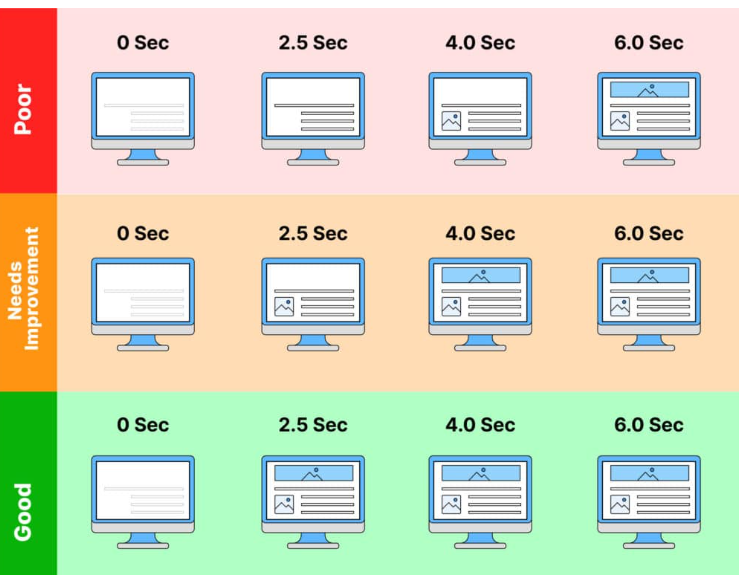
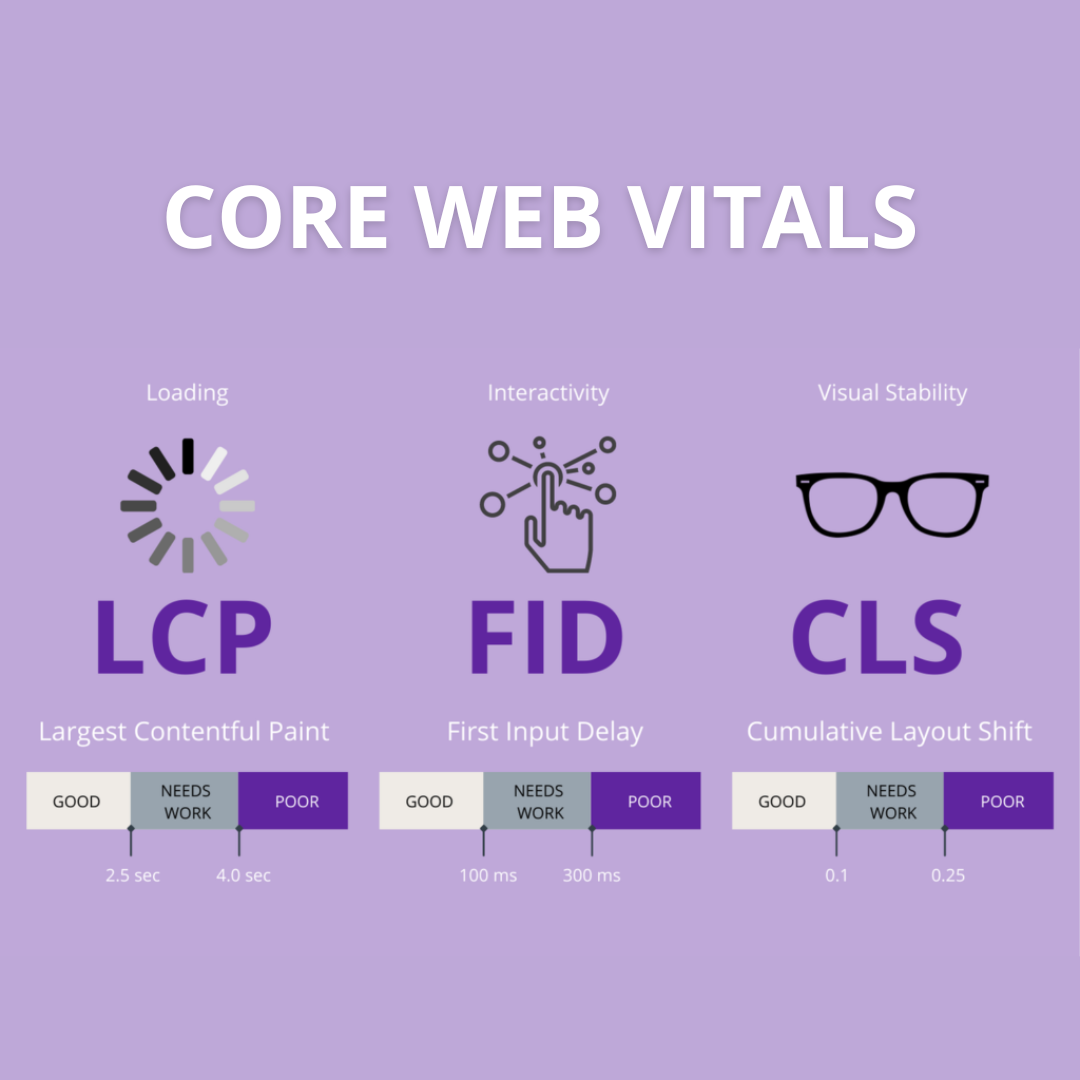
Layout Shifts: Agents navigate and take actions quickly. If your site jumps around during loading, it confuses their interaction model. Agents that take screenshots will likely be confused if your website layout is constantly shifting.
WebMCP: WebMCP is an API that lets websites provide specific commands that agents can use to interact with them. Right now, adoption is low. But if you’re selling online, exposing your product filters, search, and checkout as agent-friendly commands gives you a head start.
See example:

Still a Work in Progress
The agentic browsing category is currently still marked as “under development” and you won’t fail this category just because you haven’t integrated new AI features. Google is explicitly still figuring this out.
But here’s the thing: By the time agentic browsing becomes a major referral channel, optimisation will be table stakes.
The brands that jump on agentic browsing optimisation early will see AI agents start recommending products, cleaner HTML and better site structure, which helps human visitors too!
For eCommerce, that’s significant.
How to Check Your Score
You can run a free agentic browsing audit on any URL using Google’s latest Lighthouse tools or if you want an even easier way. No setup, no credit card, just actionable feedback. We can run Google’s new Agentic Browsing audit on any URL and in under 60 seconds, so you can see exactly how AI agents read, navigate, and interact with your site!
Check it out here!
Still unsure how to improve your Agentic Readiness Score? We can help.